
Political asylum in the U.S.: how to prepare your case and the role of the psychological evaluation
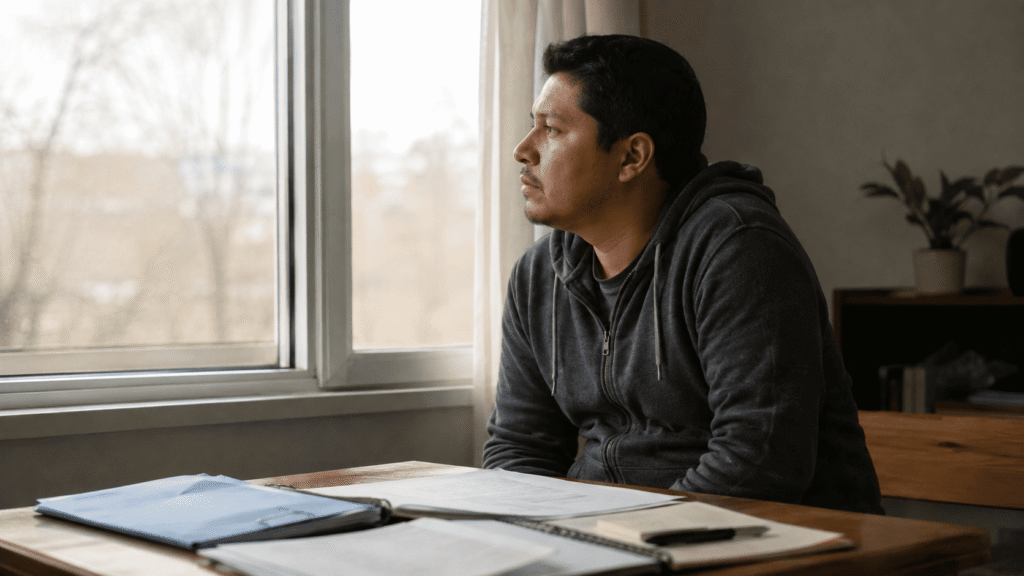
How to prepare an asylum case in the United States and how a psychological evaluation helps document the trauma and support your account.
Psychological evaluation for immigration: what it is for and when you need it

What an immigration psychological evaluation is, when it is used (asylum, waivers, VAWA, U/T visas) and how it can strengthen your case before USCIS.
Immigration waiver (I-601 / I-601A): the role of the psychological report in “extreme hardship”

What the immigration waiver is, what “extreme hardship” means, and why the psychological evaluation is key to proving it before USCIS.
Migratory Grief and Ulysses Syndrome: How Migration Wounds Travel Across Generations

What migratory grief and Ulysses syndrome are, how they pass across generations, and which tools help. With Liliana Baylon on Impacto Migrante #8.
When education becomes a border: Dreamers, identity, and the future
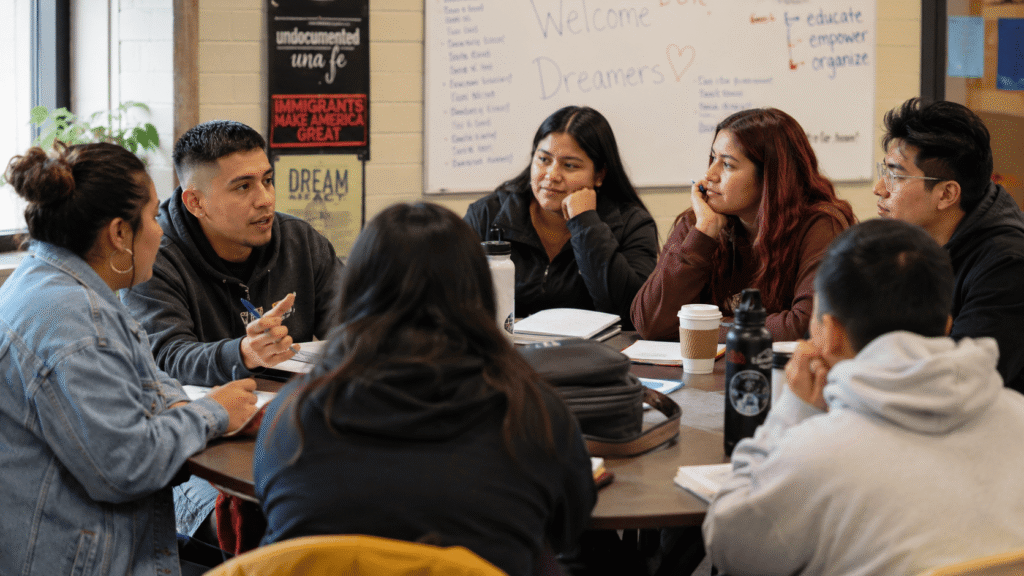
For many Dreamers, education is more than an academic goal. It can also be a way to belong, build a future, and honor the effort of an immigrant family. However, when policies limit access to education, school can become another kind of border. Not a geographic one, but a barrier that defines who gets to […]
9 cases where an immigration psychological evaluation can be useful

An immigration psychological evaluation can help document the emotional and psychological impact of certain experiences connected to an immigration case. This type of evaluation does not replace the work of an immigration attorney. However, it can complement the legal process by providing relevant clinical information for people seeking to regularize their immigration status in the […]
When the body says no: migration trauma, stress, and emotional health
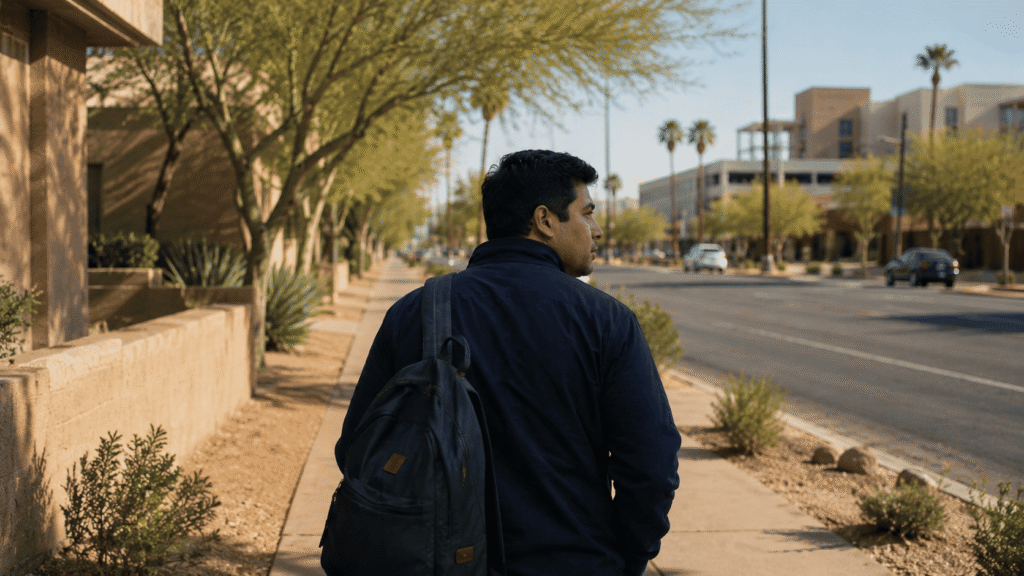
Migration can mean much more than moving from one country to another. For many people, it can mean adapting to a new language, new rules, new ways of working, new support systems, and often an immigration process filled with uncertainty. Along the way, the body also speaks. Sometimes it does so through exhaustion. Other times, […]
World Refugee Day: why talking about asylum means talking about protection
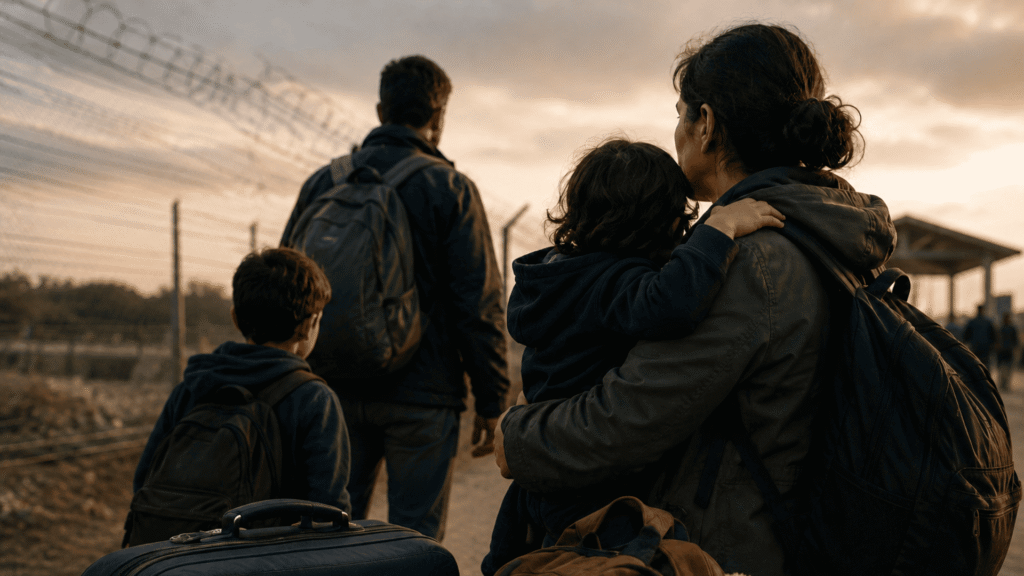
Every year on June 20, World Refugee Day invites us to recognize the strength, dignity, and stories of people who have had to flee their countries because of persecution, violence, or conflict. It is also an opportunity to talk about asylum in the United States. For many people, applying for asylum is not just the […]
ICE and fear at school: emotional effects on immigrant children and adolescents
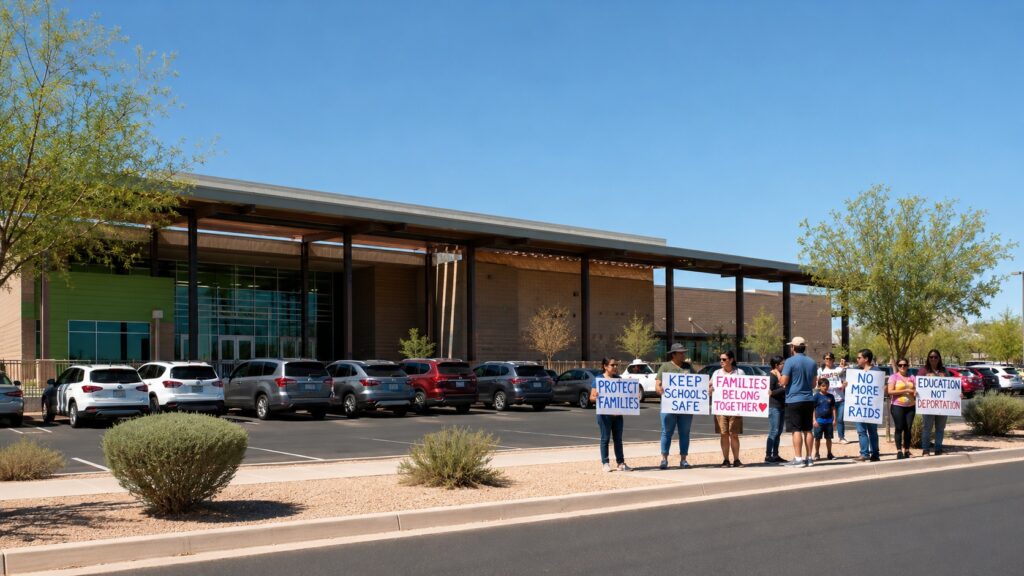
When an immigrant family lives with fear of detention, deportation, or family separation, that fear does not always stay at home. Many times, it follows children into school, their daily routines, and their emotional development. For many immigrant students, school should be a place of stability. However, when immigration-related fear becomes part of everyday life, […]
Migration, Pride Month, and asylum for LGBTQ+ people
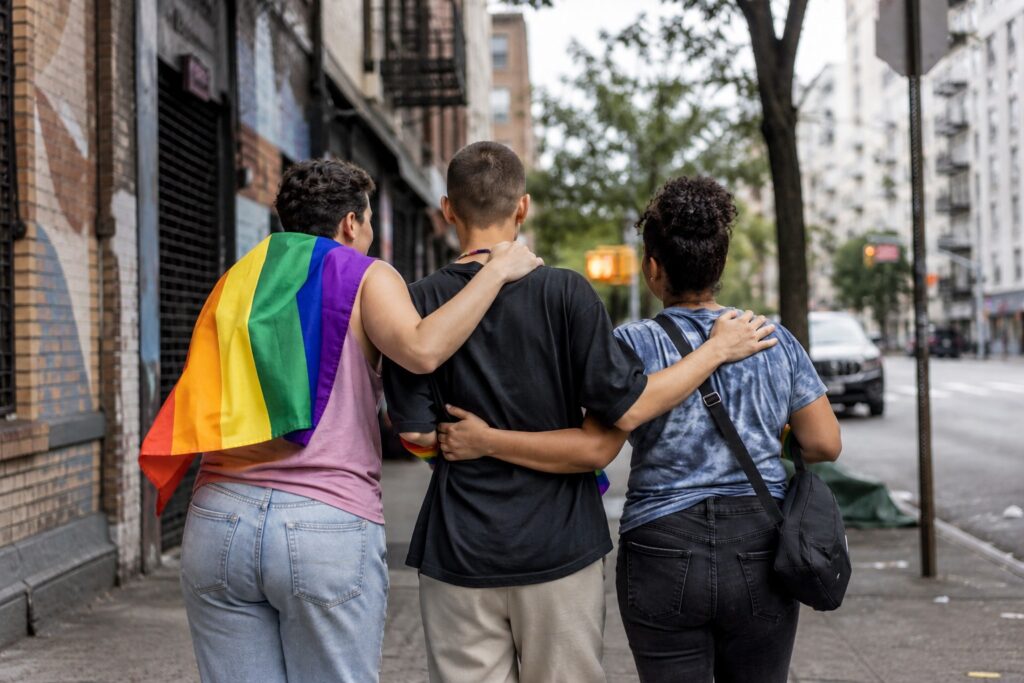
Every June, Pride Month opens the door to conversations about visibility, rights, and dignity for LGBTQ+ people. However, for many immigrants, pride is also connected to something even more basic: the possibility of living without fear. In the United States, some LGBTQ+ people seek protection because they have faced violence, threats, severe discrimination, or persecution […]